The search for fresh water has shaped civilizations. NVCO’s 2007 booklet Water Desalination Methods, compiled by engineer Reza Mokhtari, traces that path from ancient practice to the process families used today.
Ancient roots
People have evaporated seawater and condensed the vapor for more than two thousand years. The method was common on long sea voyages, when stored freshwater was scarce and the ocean was the only supply at hand.
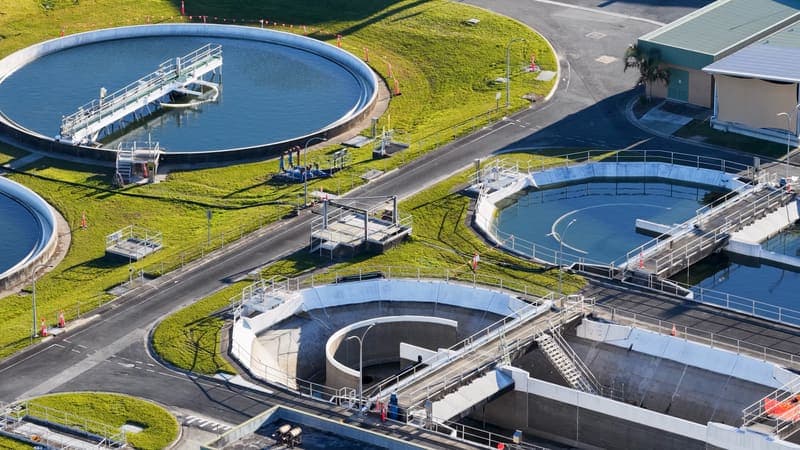
Around 1,500 years ago, coagulation-like settling was already used to clarify water. That simple pretreatment still sits at the front of modern plants: raw water must drop suspended solids and organics before it reaches a membrane or evaporator.
The industrial century
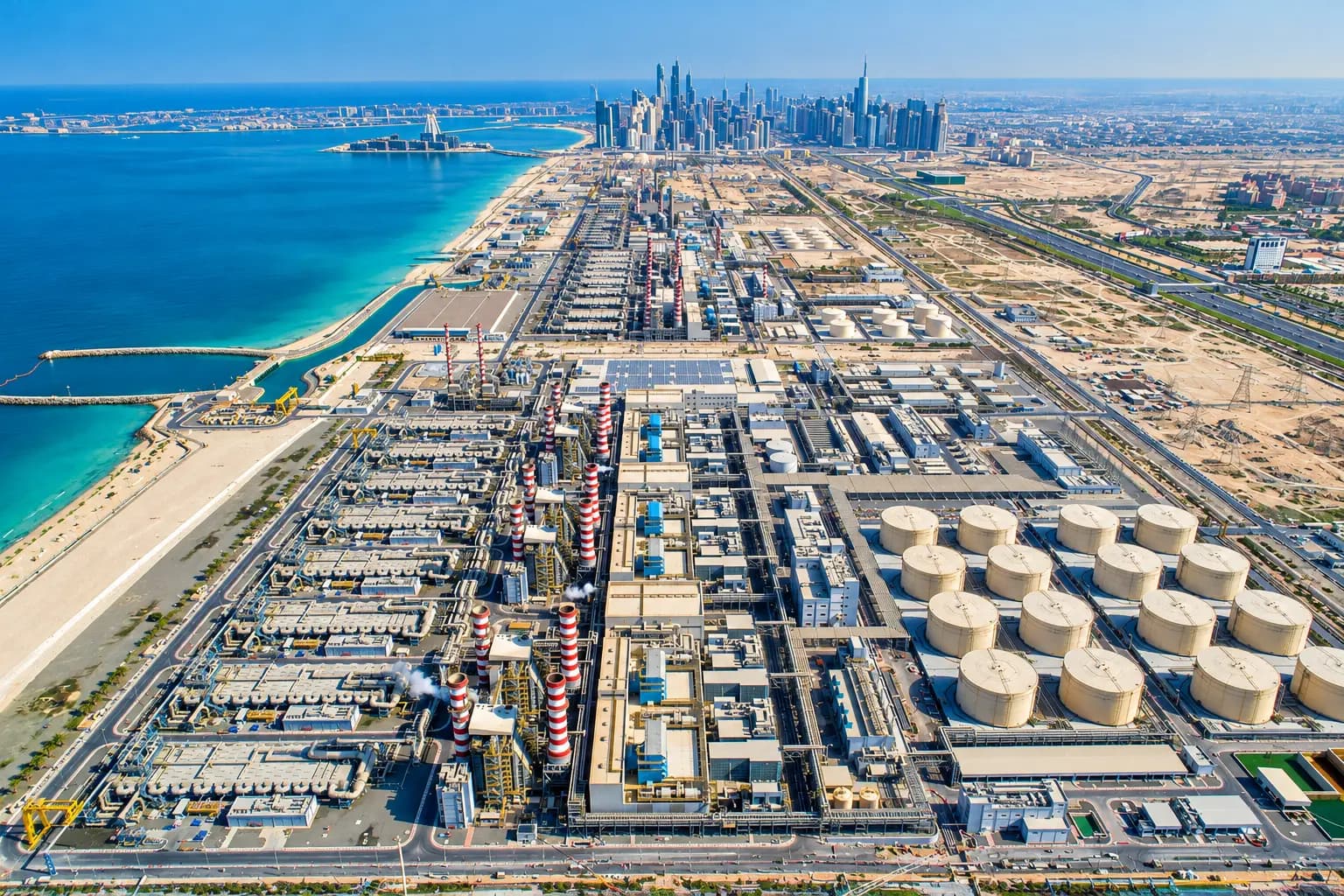
Commercial desalination is about a century old. Early distillation plants appeared in 1902, 1909 and 1913. As power stations and oil industries grew along hot coasts, multi-stage thermal distillation became the dominant technology of the Persian Gulf.
From the mid-twentieth century two tracks ran in parallel: thermal processes that use steam and vacuum, and membrane processes that became commercial in the 1960s with electrodialysis and then reverse osmosis. Reverse osmosis now takes most of the world’s new capacity because it uses less energy and scales from a few litres a day to millions of cubic metres.
How the methods are grouped
The booklet groups desalination into three families:
- Membrane: electrodialysis reversal (EDR), reverse osmosis (RO), forward osmosis (FO), membrane distillation and rotary distillation.
- Thermal: multi-stage flash (MSF), multiple-effect distillation (MED), vapor compression (VC), solar multi-effect humidification (MEH) and MES.
- Other methods: methane hydrate crystallization, freezing, solar humidification, hybrid ED & RO, ion exchange, flow-through capacitors and hydrogen / fuel-cell water production.
The right family depends on feed salinity, waste heat, plant size, energy cost and brine disposal. In Iran, NVCO’s operating experience has focused on seawater and brackish reverse osmosis — the same path that now accounts for most new global capacity.